Brandschutz Service Berlin
 und dem

The fire protection regulations according to DIN 14096 are a central instrument of organizational fire protection. They define how people should behave in a building in the event of a fire, which measures must be taken in advance, and how responsibilities are assigned. For property owners, operators and businesses, they are not only useful but often legally required. In this comprehensive guide, Brandschutz Service Berlin explains what the fire protection regulations include, how they are structured and what you need to consider when creating them.
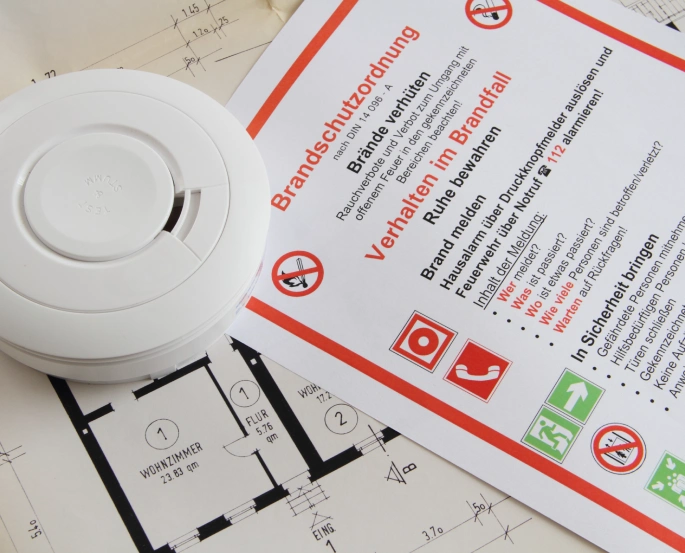
Fire protection regulations are a written set of rules defining behavior in the event of a fire and measures to prevent fires. They serve to protect people, property and the environment. They are part of organizational fire protection and complement structural and technical fire protection measures – such as fire doors, fire sections or smoke extraction systems. You can learn more about these fundamentals in our guide Fire Compartments in Fire Protection.
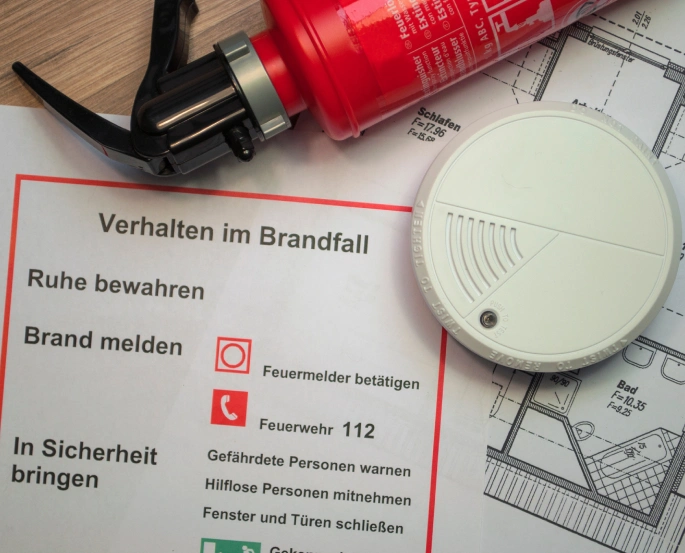
A fire can spread within seconds. In panic situations, every second counts – and clear instructions can save lives. Up-to-date fire protection regulations ensure that:
They are therefore an essential component of a comprehensive safety concept.

DIN 14096 (current version: 2021) defines the structure, content and formatting of fire protection regulations in Germany. It consists of three parts aimed at different target groups:
Depending on the building type and use, fire protection regulations may consist of only Part A or all three parts.

Fire protection regulations are required whenever:
Single-family homes generally do not require fire protection regulations, whereas multi-family buildings and public facilities usually do.


DIN 14096 specifies that:

Fire protection regulations must be regularly checked and updated:
Many companies confuse fire protection regulations with the requirements of the Workplace Ordinance (ArbStättV). While ArbStättV mandates the presence of fire protection equipment, DIN 14096 regulates how people must behave in the event of a fire. The two systems complement each other – fire protection regulations provide the organizational framework.

Such mistakes can lead to confusion and legal issues in an emergency. Professional implementation by Brandschutz Service Berlin ensures compliance and increased safety.
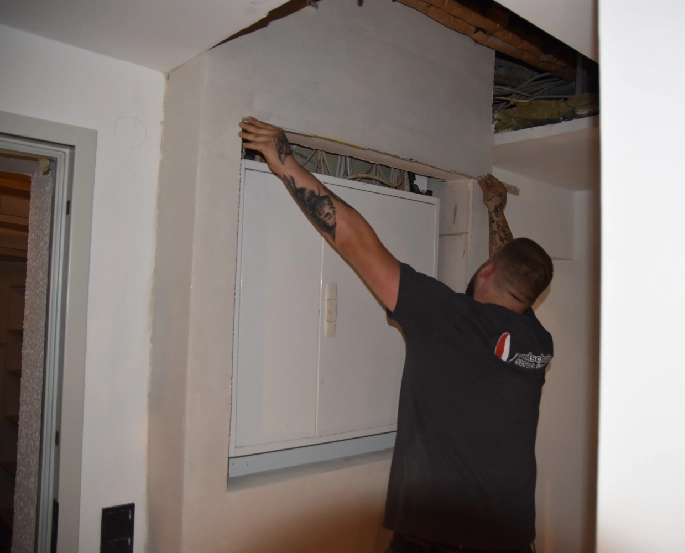
Our team supports you in creating, reviewing and updating your fire protection regulations in Berlin and Brandenburg. Learn more under Maintenance and Servicing or Construction Support.

Part A – Behavior in Case of Fire
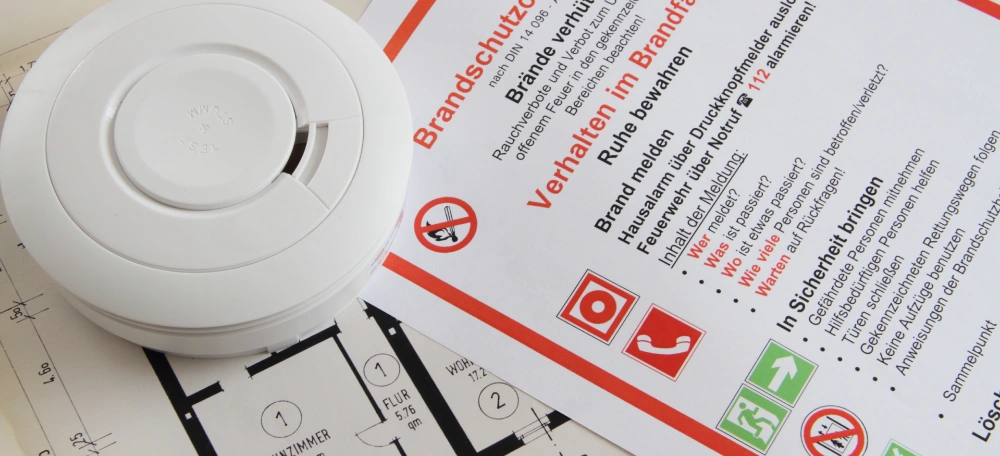
Part A is a simple, easy-to-understand notice in DIN A3 format displayed at central locations in the building (e.g., hallways, entrances, break rooms). It includes:
Part B – Instructions for Employees and Regular Users
Part B is intended for people who regularly stay in the building. It includes more detailed instructions, such as:

Part C – Measures for Fire Protection Personnel
Part C contains instructions for all persons with fire protection responsibilities – such as safety officers or caretakers. These include:
Fire protection regulations are required whenever they are mandated by the building permit, the fire protection concept or the state building regulations. They are particularly relevant for public buildings, facilities with public traffic, hotels, schools, hospitals, care institutions and large residential complexes. The owner or operator is responsible for creating and implementing them.
They should be created by a qualified expert—typically a fire safety officer or a certified specialist firm such as Brandschutz Service Berlin. Only professionals with the appropriate training and knowledge of DIN 14096 are permitted to prepare legally compliant and approvable fire protection regulations.
According to DIN 14096, fire protection regulations must be reviewed at least every two years and updated if necessary. Immediate revision is required in the event of structural changes, changes in building use or new hazards (e.g., modified escape routes or new technical systems).
If required fire protection regulations are missing, the building authority may prohibit operation or impose fines. Insurance coverage may also be affected in the event of damage, as organizational fire protection measures cannot be demonstrated.
A fire protection concept describes the structural and technical safety measures of a building, while fire protection regulations define how people must behave in the event of a fire and during fire prevention. Both documents complement each other and together form the foundation of an effective fire safety system.
Yes. Part A is the public notice and must be visibly displayed in all areas where people regularly gather—such as hallways, entrances, common rooms or workshops. The notice must be easy to read, up to date and uniformly designed.
Part B includes instructions on behavior in case of fire, fire prevention, alarm initiation and evacuation. Part C describes the responsibilities of individuals with specific fire protection duties, such as the fire safety officer, building caretaker or security staff. Both parts must be documented in writing and regularly communicated through training.
Fire protection regulations may be created either in printed or digital form. What matters is that they comply with the requirements of DIN 14096, particularly regarding design, pictograms and readability. Part A must always be displayed visibly in printed form.
You must uploadreCAPTCHA the content to submit the form. Please note that this involves sharing data with third parties.
More Information