small_brand_logo
Brandschutz Service Berlin

Brandausbreitung Effektiv Verhindern: Leitfaden für Gebäudebesitzer

Preventing Fire Spread Effectively | A Guide for Building Owners

Controlling the spread of fire within a building is a key responsibility for every property owner. A fire can spread rapidly if no effective protective measures are in place. The goal is to contain flames and smoke within defined areas. This is the only way to minimize damage and—most importantly—protect lives. Proven structural and technical strategies help achieve this.
brand_img_55

Structural Measures: Creating Fire Compartments

The foundation of limiting fire spread is the installation of fire compartments. These are clearly defined areas within a building separated by fire-resistant construction components, such as:

  • Fire walls and fire-rated ceilings These components prevent fire and smoke from passing through for a defined period. Their fire resistance rating—such as F30, F60, or F90—indicates how long
    they remain intact. The required fire resistance depends on the building category, the type of use, and regulatory requirements.
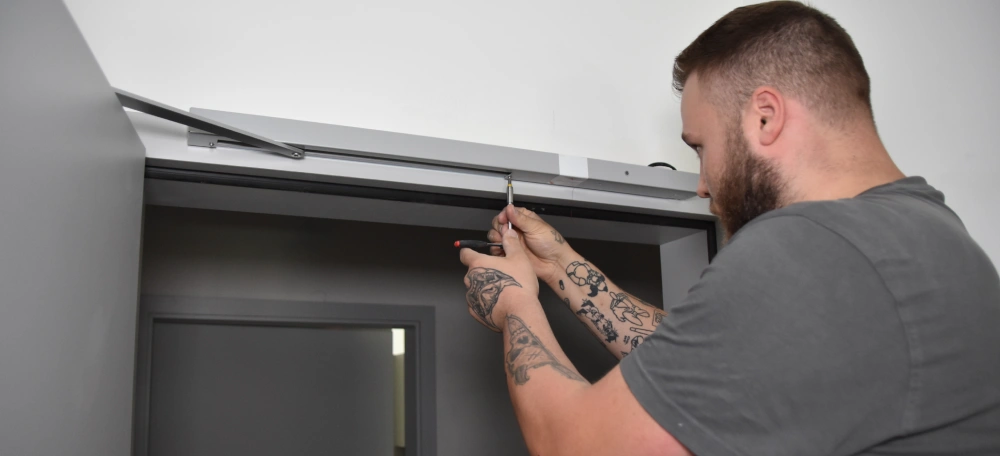
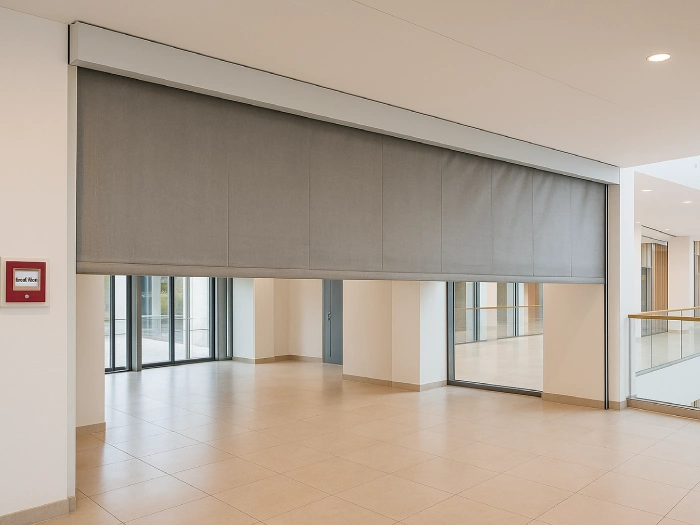
  • Fire protection doors and gates Installed in openings within fire-rated walls or compartments, doors classified as T30, T60, or T90 prevent the passage of flames and smoke for a specific duration. Smoke protection features (RS) are often equally important, as smoke poses the greatest risk during a fire.
  • Fire-resistant glazing Where transparency is required without compromising safety, special fire-resistant glass is used. Depending on the classification (E, EW, EI), it delays fire spread and may also limit heat radiation.

The size and arrangement of fire compartments are defined by local building regulations and special construction codes. Professional planning and installation are essential to ensure compliance and effectiveness.

Technical Systems: Active Protection and Early Warning

In addition to passive structural elements, technical fire protection systems play a crucial role in limiting fire spread:

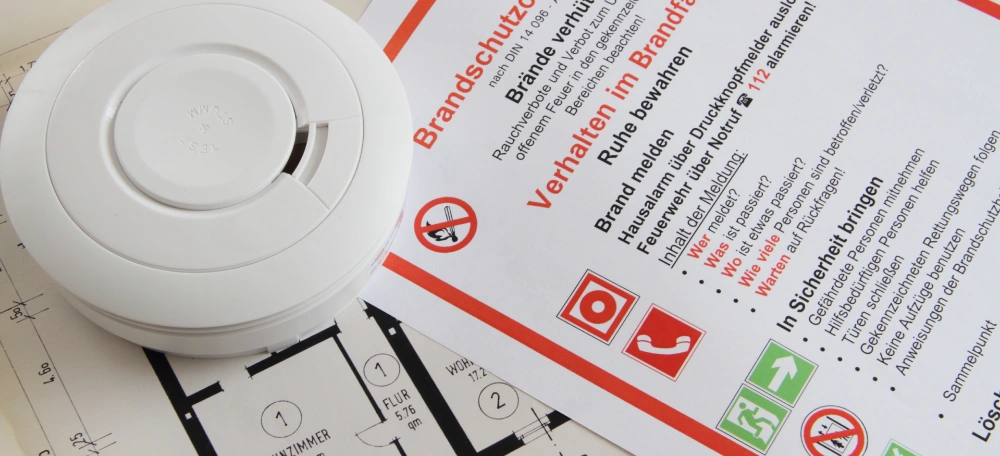
  • Fire alarm systems They detect fires at an early stage and immediately alert building occupants and the fire department. Fast detection is essential to containing a fire.
  • Smoke and heat extraction systems These systems remove smoke and hot gases from the building during a fire, keeping escape routes accessible for longer and improving visibility for firefighters.
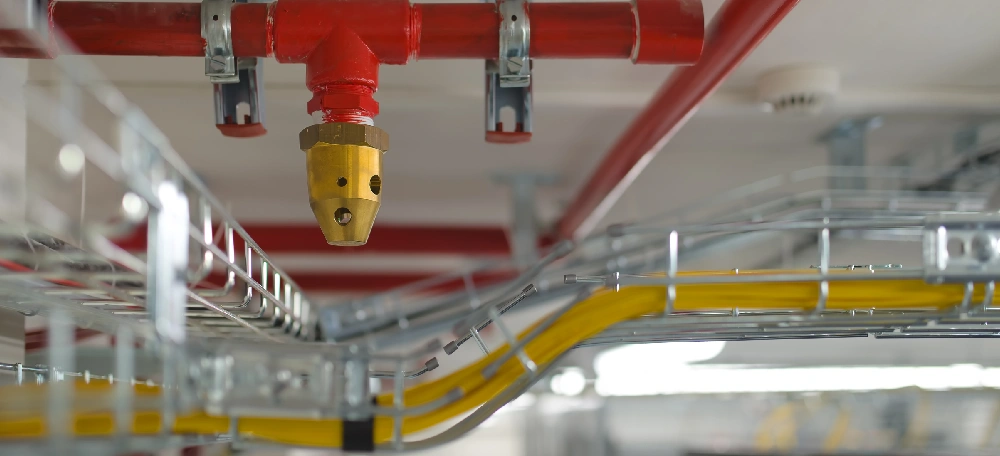
  • Sprinkler systems Automatic water-based suppression systems that attack the fire in its early stages. They are highly effective in large buildings or areas with elevated fire risk.
  • Manual and stationary extinguishing systems These support automatic systems and enable initial firefighting by trained staff or the fire brigade.

All technical systems must be regularly inspected and maintained to ensure their operational readiness.

Maintenance and Inspection: An Ongoing Responsibility

Structural fire protection measures and technical systems are only effective if they are properly installed and continuously maintained. Regular inspections by certified experts and timely correction of deficiencies are mandatory. This includes: Verifying that doors and gates close properly, checking the functionality of fire alarm systems and smoke/heat extraction systems and ensuring extinguishing systems remain ready for use.

As a building owner, you are responsible for safety. An effective fire protection strategy—combining structural and technical measures—significantly reduces the risk of uncontrolled fire spread and protects both lives and property. Consulting fire protection professionals is essential to ensure reliable implementation and long-term compliance.

0
    0
    Your shopping cart
    Your cart is emptyBack to shop