Brandschutz Service Berlin

Controlling the spread of fire within a building is a key responsibility for every property owner. A fire can spread rapidly if no effective protective measures are in place. The goal is to contain flames and smoke within defined areas. This is the only way to minimize damage and—most importantly—protect lives. Proven structural and technical strategies help achieve this.
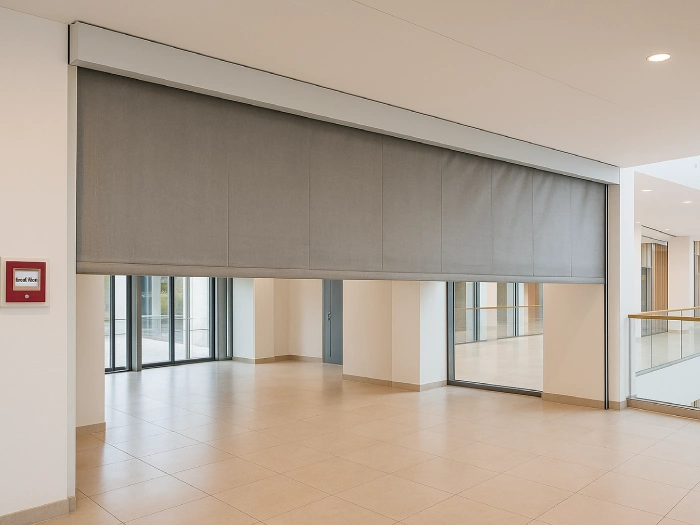
The foundation of limiting fire spread is the installation of fire compartments. These are clearly defined areas within a building separated by fire-resistant construction components, such as:
The size and arrangement of fire compartments are defined by local building regulations and special construction codes. Professional planning and installation are essential to ensure compliance and effectiveness.
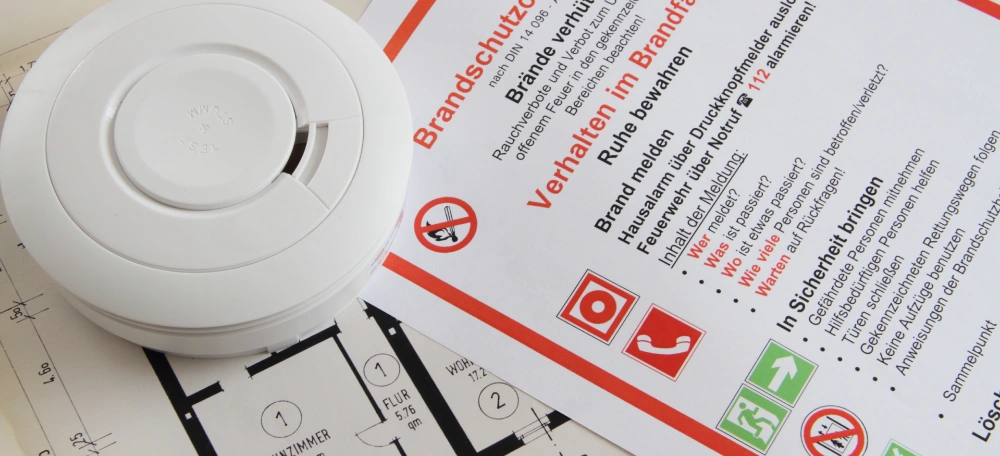
In addition to passive structural elements, technical fire protection systems play a crucial role in limiting fire spread:
All technical systems must be regularly inspected and maintained to ensure their operational readiness.
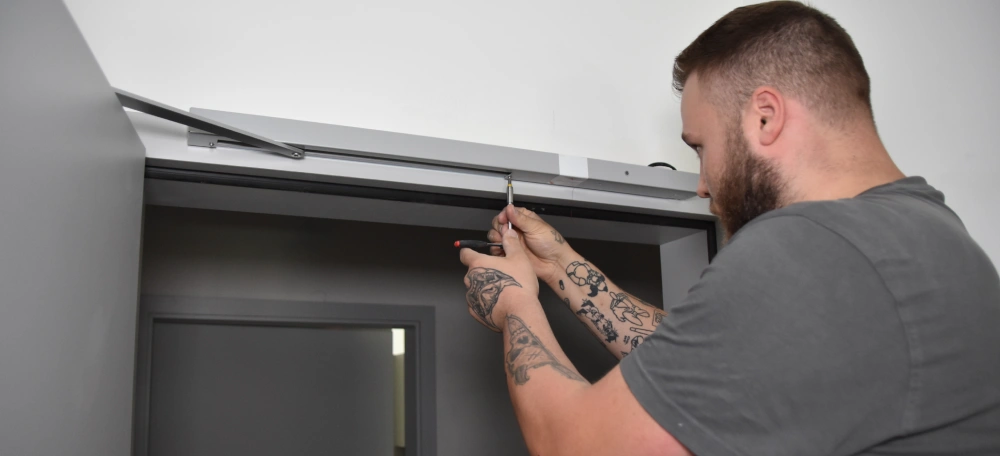
Structural fire protection measures and technical systems are only effective if they are properly installed and continuously maintained. Regular inspections by certified experts and timely correction of deficiencies are mandatory. This includes: Verifying that doors and gates close properly, checking the functionality of fire alarm systems and smoke/heat extraction systems and ensuring extinguishing systems remain ready for use.
As a building owner, you are responsible for safety. An effective fire protection strategy—combining structural and technical measures—significantly reduces the risk of uncontrolled fire spread and protects both lives and property. Consulting fire protection professionals is essential to ensure reliable implementation and long-term compliance.