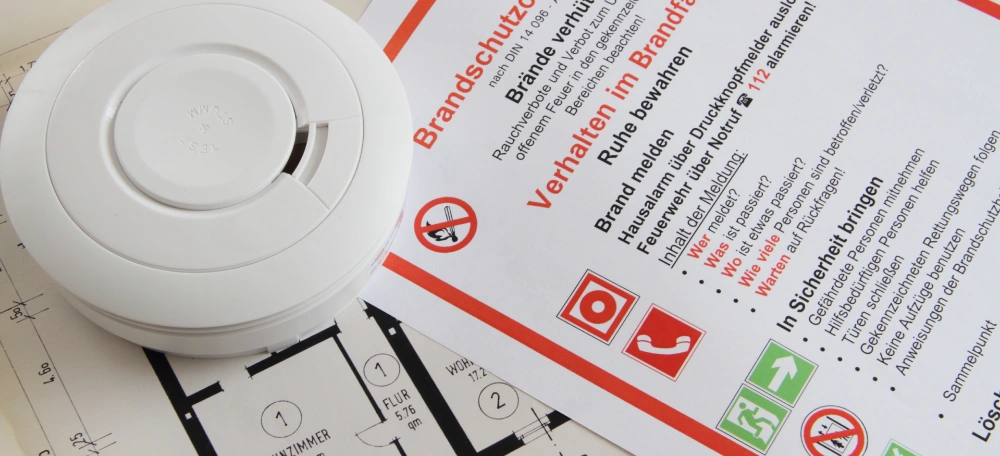
Effective fire protection in buildings relies on a combination of structural and technical measures. While structural fire protection passively prevents the spread of flames, fire protection technology provides active warning, fire suppression, and the safeguarding of escape routes. For building owners and operators, understanding the fundamentals of these technologies is essential.
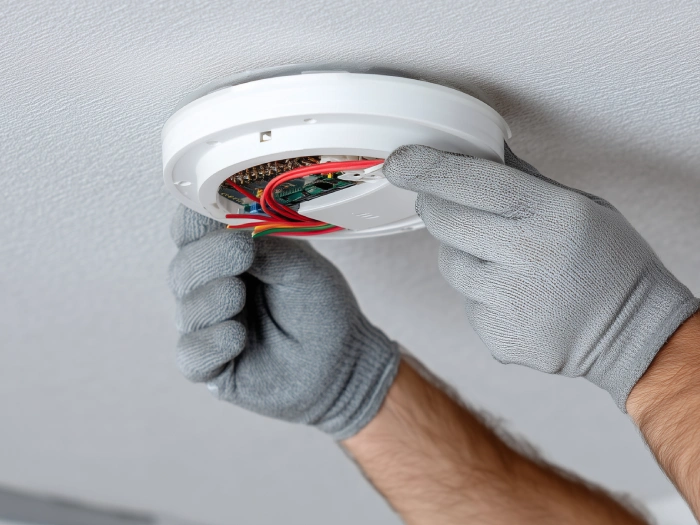
Focus on Active Fire Protection Systems
Fire protection technology includes a range of systems that intervene automatically or manually in an emergency. They support early detection, fire suppression, or the protection of building occupants:
- Fire Alarm Systems (FAS) These systems detect fires in their early stages using various types of detectors, such as smoke, heat, or flame detectors. Once triggered, they sound an alarm, notify the fire department automatically, and can activate additional fire protection components such as sprinkler systems, hold-open devices, or elevator controls. Early detection is the first and most critical step in minimizing damage.
- Smoke and Heat Extraction Systems (RWA) These systems remove smoke and hot gases from the building during a fire. This is vital, as smoke often poses a greater danger than flames. Keeping escape routes smoke-free maintains visibility and reduces the concentration of toxic gases. Smoke extraction systems exist in natural forms (e.g., roof hatches, windows) and mechanical forms (fans).
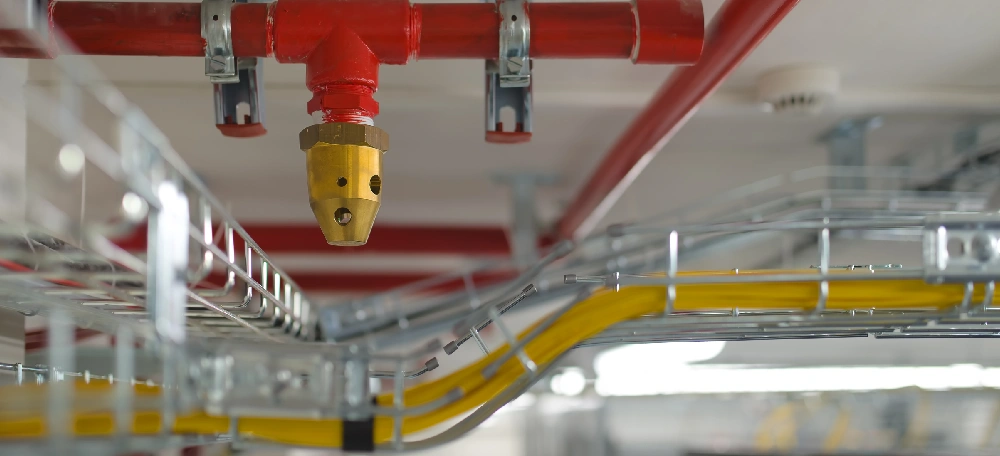
- Sprinkler Systems Automatic extinguishing systems that combat fires with water. They operate on the principle of “extinguish where it burns”: only the sprinkler heads directly affected by the heat activate. This minimizes water damage and effectively suppresses fires in their early stages, preventing rapid spread.
- Fire Extinguishing Systems (Special Extinguishing Systems) In addition to water, specialized extinguishing agents can be used depending on the fire risk and the assets being protected—such as gas (for server rooms or archives) or foam (for flammable liquids). These systems are designed for specific fire classes and operating environments.
- Emergency Lighting and Escape Route Signage In case of power failure or dense smoke, emergency lighting and illuminated escape signs ensure that people can find the fastest and safest route to exit the building. These systems must remain operational at all times.
Interaction and Maintenance
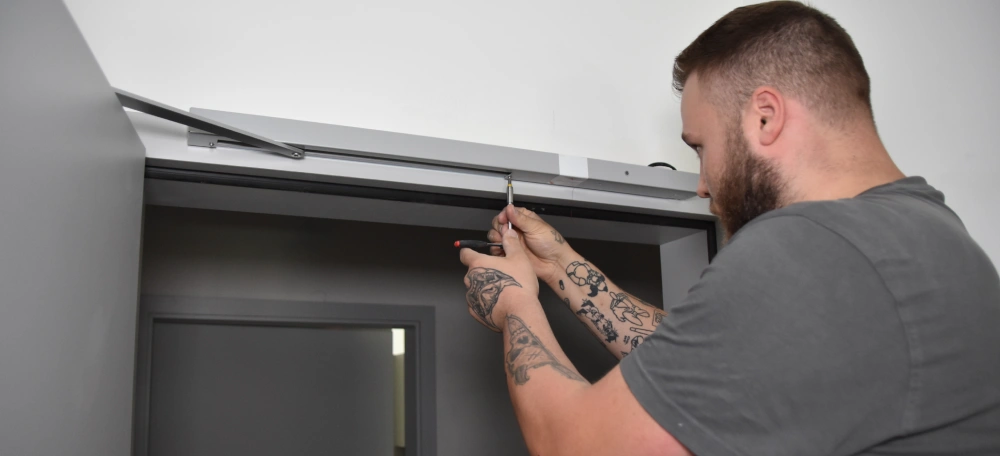
The various components of fire protection technology often work together. For example, a fire alarm system may activate a smoke extraction system or release the hold-open system of a fire protection door so that the door closes automatically.
All fire protection systems are subject to mandatory inspections. Regular maintenance, testing, and functional checks by certified professionals are not only required by law but also essential to ensure system reliability in an emergency. Only a fully operational system provides effective protection.
Anyone operating a building must understand these systems. They form the heart of active fire protection and play a vital role in protecting lives and minimizing property damage.


 und dem